
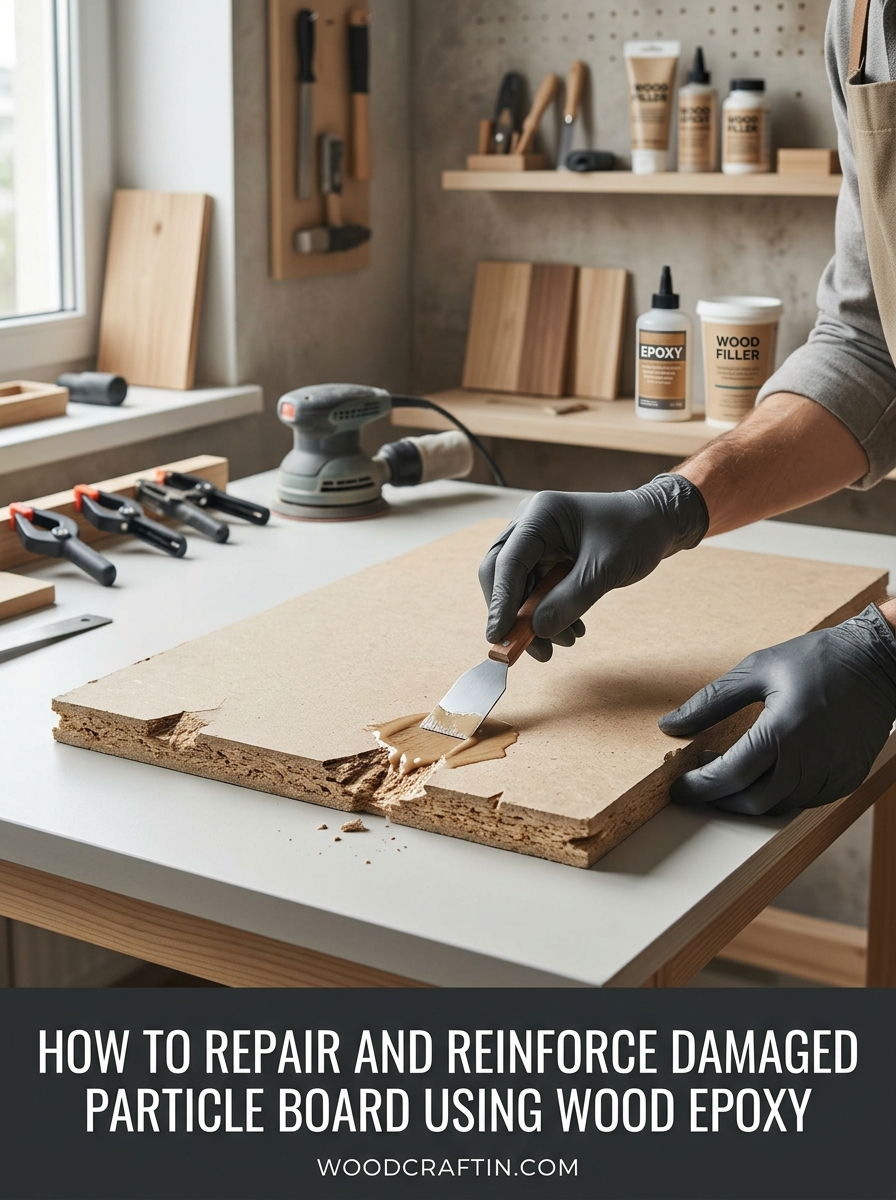
You know that sinking feeling when your favorite particle board desk starts to crumble or swell like a soaked sponge at the slightest hint of moisture? It's incredibly frustrating to watch a functional piece of furniture turn into a flaky, structural mess right before your eyes, making you feel like it's destined for the landfill. But you don't have to toss your budget-friendly pieces just yet; the right wood epoxy can actually penetrate those weak fibers to create a waterproof, rock-solid bond that's tougher than the original material. By choosing a high-quality resin, you're not just patching a hole-you're transforming a fragile board into a durable masterpiece that can handle real-life wear and tear for years to come. You might be surprised to learn that the absolute best solution for this specific material isn't a traditional wood filler at all, and one of the top performers is a product you'd likely never expect to see on this list.
 | PC-Woody Two-Part Wood Repair Epoxy Paste
|
 | Gorilla All-Purpose Wood Filler
|
 | PC-Petrifier Wood Hardener
|
 | Abatron LiquidWood Wood Restorer Kit (2-Pint)
|
 | DAP 8.6oz Plastic Wood Epoxy Wood Filler
|
 | Craft Resin 1 Gallon Clear Epoxy Resin Kit
|
 | VIKEYTIM Universal Super Glue for Multiple Materials
|
 | System Three SculpWood Putty (2-Gallon Kit)
|
 | J-B Weld Wood Restore Liquid Hardener
|
 | TotalBoat 4-Minute Epoxy Adhesive Kit
|
 | QuikWood Epoxy Putty Stick
|
 | LiquidWood Wood Consolidant and Structural Adhesive Liquid Wood Epoxy (2-Pint Kit)
|
 | Crystal Clear Self-Leveling Epoxy Resin Kit
|
 | CoatCast Crystal Clear Epoxy Resin Kit
|
 | Minwax Stainable Wood Filler
|
PC-Woody Two-Part Wood Repair Epoxy Paste
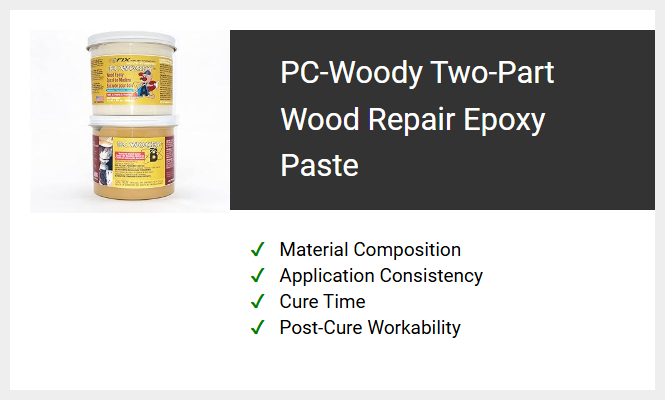
Let's face it: particle board is notorious for crumbling like a dry cookie the moment a hinge pulls loose or an edge gets dinged, leaving you with a mess that standard wood glue just can't touch. Instead of hauling that desk to the curb, you can save your furniture with PC-Woody, a heavy-duty two-part epoxy that acts as a structural rebuild for "manufactured" wood. To get your fix, simply mix equal parts of the resin and hardener until the color is uniform, pack the paste firmly into the damaged void, and let it cure into a rock-solid bond that won't shrink or pop out. Because this formula is packed with real wood flour, it doesn't just sit on the surface like a plastic patch; it mimics the density of the board so you can sand it flush, drill new pilot holes, and even apply stain for a seamless finish that's actually tougher than the original piece.
Gorilla All-Purpose Wood Filler
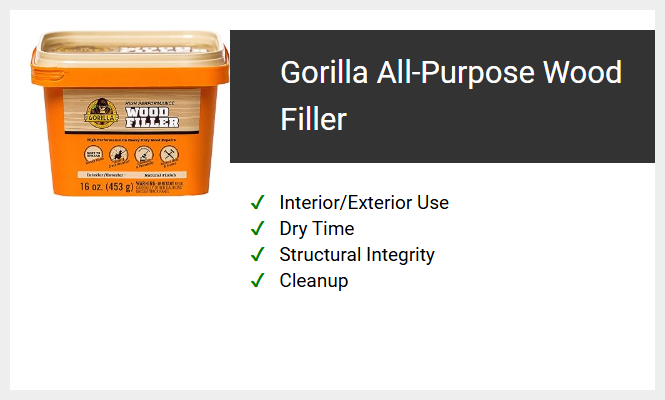
We've all been there: you accidentally ding your particle board furniture and it starts crumbling like a dry cracker, leaving you ready to toss the whole thing in the trash. Don't give up on it just yet! You can save your gear by first cleaning out any loose bits, then firmly pressing Gorilla All Purpose Wood Filler into the damage with a putty knife, smoothing it over the surface. Since this high-performance formula is specifically designed not to shrink or crack, you're getting a rock-solid, permanent repair that won't pull away from the edges over time. Once it's dry, just sand it down until it's flush and hit it with some paint or stain; it takes color like a pro, making that ugly gouge completely disappear so your furniture looks solid and seamless again.
PC-Petrifier Wood Hardener
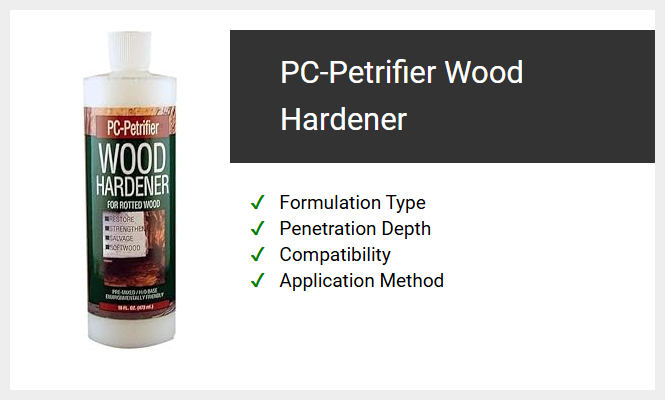
When you're dealing with crumbling furniture, you need a solution that actually works, and PC-Petrifier is the absolute best way to bring your particle board back from the brink. This revolutionary water-based hardener utilizes a high-solids formula that penetrates deep into soft, porous fibers, meaning you get a rock-solid foundation that stops decay and structural failure right in its tracks. You'll love how the low-viscosity liquid deeply saturates the material to create a superior internal bond, providing the ultimate structural integrity for your painting or staining projects without any of the harsh, toxic fumes found in solvent-based alternatives. It's truly the most effective choice for your home repair arsenal because it pairs professional-grade durability with an incredibly easy water cleanup, ensuring your DIY fixes remain permanent and your surfaces stay remarkably tough for years to come.
Abatron LiquidWood Wood Restorer Kit (2-Pint)
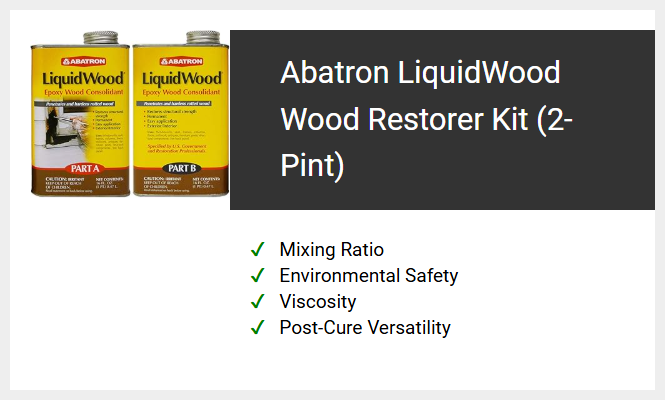
You don't have to toss out that damaged particle board just yet, because Abatron LiquidWood is here to save your project with its industry-leading restorative power. By utilizing a sophisticated low-viscosity, two-part epoxy formula, this consolidant penetrates deep into the porous fibers of your wood, transforming a crumbling surface into a rock-hard, structural foundation that is actually stronger than the original material. You'll love how the easy 1:1 mixing ratio ensures a perfect chemical bond every single time, providing you with an incredibly durable, waterproof finish that is completely resistant to rot and insects. This is truly the most effective solution for permanent repairs, giving you a seamless, sandable surface that takes paint beautifully and restores your furniture to its absolute best condition.
DAP 8.6oz Plastic Wood Epoxy Wood Filler
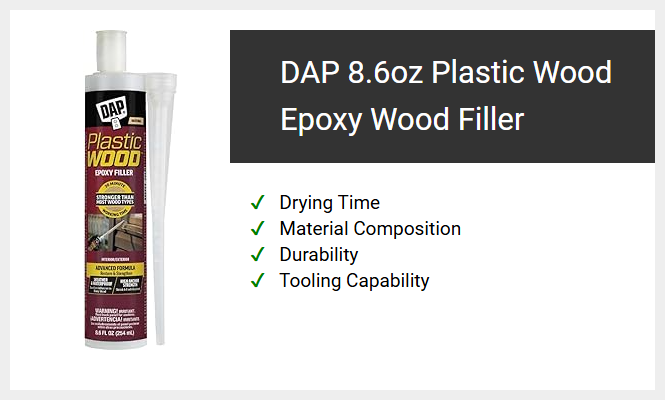
If you've ever dealt with a blown-out hinge or a crumbly corner on your favorite particle board furniture, you know that regular wood glue just won't cut it. Stop stressing over those flaky holes and grab this high-strength epoxy filler to give your gear a second life. To get started, just clear out any loose debris, press the filler firmly into the gouge, and overfill it slightly so you can sand it perfectly flush once it cures. Because this formula is engineered for zero shrinkage and maximum grip, you're getting a rock-hard repair that's actually tougher than the original board, meaning you can re-drill and screw right back into it without worrying about another blowout. Best of all, it's fully paintable and stainable, so your "oops" moment disappears under a seamless finish that looks like it never happened.
Craft Resin 1 Gallon Clear Epoxy Resin Kit
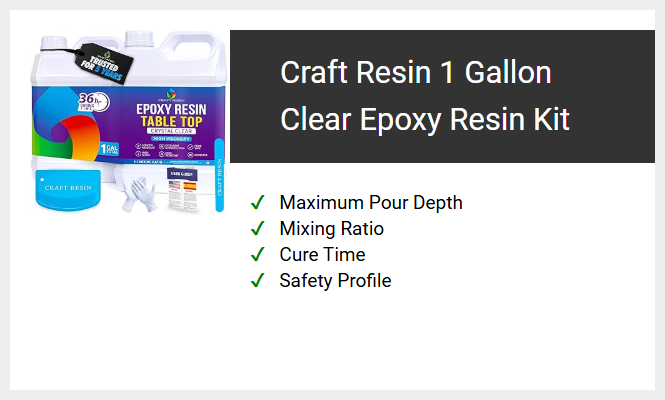
Tired of watching your particle board projects swell and crumble at the slightest hint of moisture? You need a real fix that turns budget materials into high-end heirlooms, and this deep-pour epoxy resin is the ultimate game-changer for your workshop. Its low-viscosity formula sinks deep into those thirsty wood fibers, reinforcing the internal structure while creating a rock-hard, crystal-clear shield that resists yellowing and scratches. You'll get a professional, bubble-free finish without the stress, thanks to a slow-curing process that gives you plenty of time to perfect your pour. Stop settling for flimsy surfaces and give your next DIY build the durable, glass-like protection it deserves. Grab your kit today!
VIKEYTIM Universal Super Glue for Multiple Materials
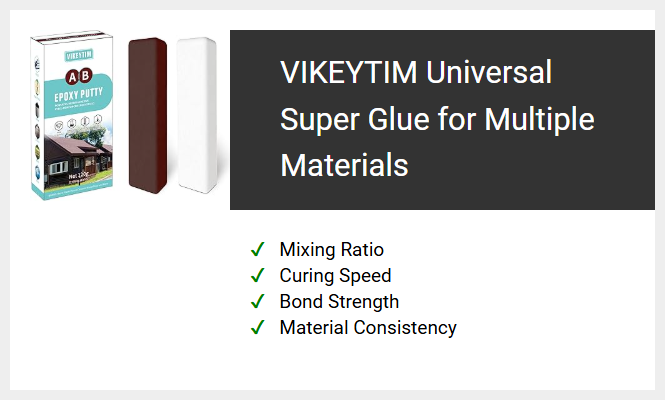
Let's face it, particle board is notorious for crumbling the second a screw pulls out or a corner gets bumped, but you don't have to toss that wobbly furniture just yet. This high-viscosity epoxy is your secret weapon for turning flaky sawdust back into a rock-solid surface that actually holds. To get that pro-grade fix, simply clean the damaged area, mix the resin and hardener in a 1:1 ratio, apply the mixture to the gap, and hold it steady for a few minutes while it sets. Because it's engineered with massive tensile strength and a waterproof finish, your repair won't just look good-it'll survive everyday spills and heavy use better than the original material ever could.
System Three SculpWood Putty (2-Gallon Kit)
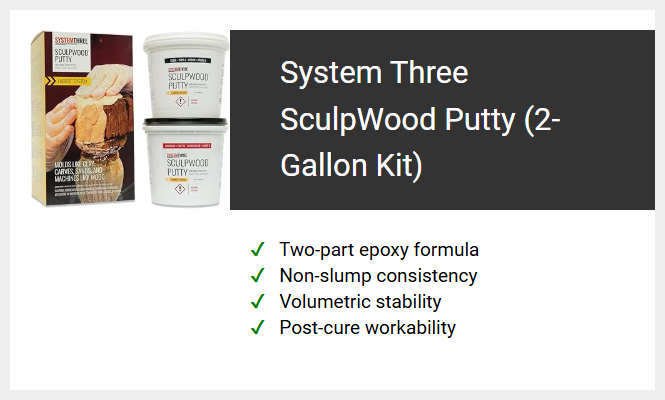
You know how particle board turns into a crumbly, swollen mess the moment it gets a little moisture or a rough bump? It's a total nightmare to fix with standard fillers that just flake off, but SculpWood is the heavy-duty hero your furniture has been waiting for. This professional-grade, two-part epoxy putty is kneadable like clay, allowing you to mold it right into those blown-out hinge holes or missing corners to create a permanent bond that won't shrink or crack as it cures. Because it's fully sandable and paintable, you can smooth it down to a seamless finish that looks like the damage never even happened. Stop stressing over your damaged cabinets and rebuild them with confidence-get your SculpWood kit now.
J-B Weld Wood Restore Liquid Hardener
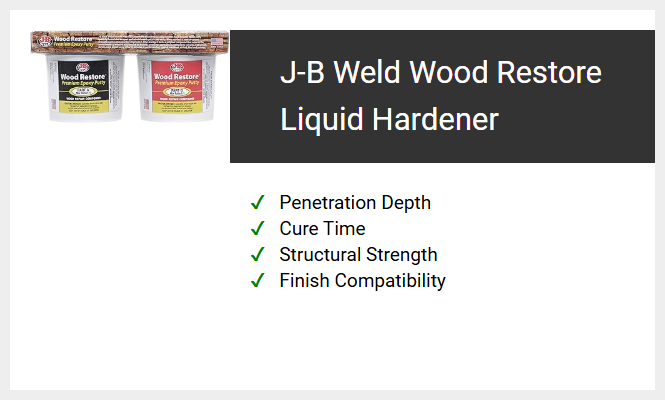
When you're staring at that crumbling particle board or a rotted window sill, you need a solution that actually works, and honestly, J-B Weld Wood Restore is the ultimate game-changer for your toughest DIY repairs. This premium two-part liquid epoxy resin features a professional-grade 1:1 mixing ratio that penetrates deep into soft, porous wood fibers to provide the most superior structural reinforcement on the market. By utilizing this advanced formula, you'll transform weak, decayed areas into a rock-hard, water-resistant surface that can be easily sanded, drilled, or painted for a flawless finish. You won't believe how this high-performance stabilizer eliminates the need for total replacement, offering you the quickest and most effective way to restore your woodwork to a state that is arguably even stronger than the original material.
TotalBoat 4-Minute Epoxy Adhesive Kit
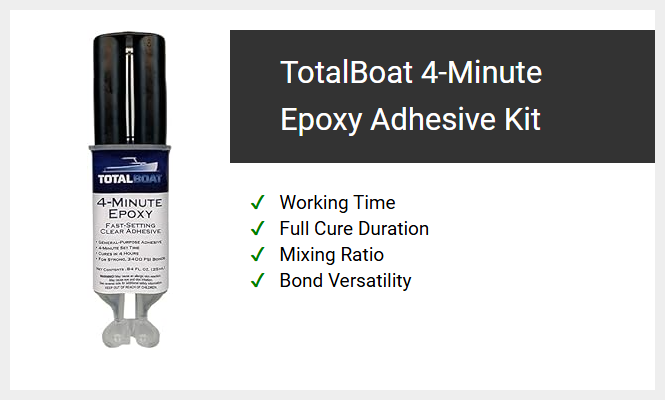
Let's face it, your favorite particle board furniture is usually one accidental bump away from a crumbled corner or a stripped screw hole. You're staring at that jagged mess thinking it's headed for the curb, but you can stop the mourning right now. This high-strength wood epoxy acts as a structural savior, penetrating deep into porous fibers to turn flaky sawdust back into a rock-solid surface. Because it cures in just four minutes, you aren't stuck waiting hours for a repair; you're back to assembly before the coffee gets cold. It fills gaps, grips hardware, and sands down perfectly flush. Save your desk. Save your sanity. Fix it for good.
QuikWood Epoxy Putty Stick
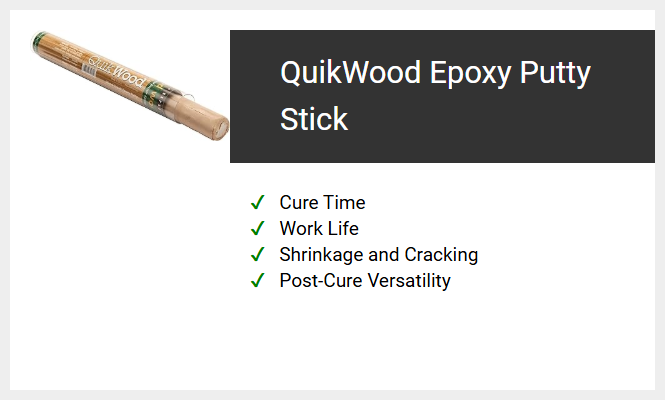
Tired of watching your favorite particle board bookshelf crumble or fall apart every time a screw pulls loose? Particle board is notoriously tricky to repair because it lacks the structural integrity of solid wood, but this hand-kneadable wood epoxy putty is the permanent fix you've been looking for. Its unique stick format means you can ditch the messy liquids; just mix it with your fingers and press it into those ugly chips or stripped holes to create a rock-solid bond in under twenty minutes. Because it cures to a density similar to wood, you can sand it flush, drill new pilot holes, or paint it to match your finish perfectly, making that "unfixable" furniture look brand new again. Stop letting cracked corners ruin your home and grab a stick today!
LiquidWood Wood Consolidant and Structural Adhesive Liquid Wood Epoxy (2-Pint Kit)
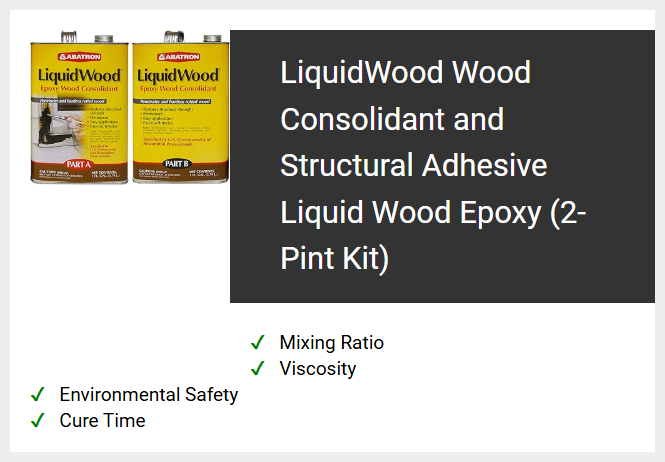
If you're tired of watching your particle board furniture swell and crumble at the first sign of moisture, LiquidWood is the structural lifesaver your DIY projects have been waiting for. Instead of tossing out water-damaged cabinets or shelving, this high-penetration epoxy consolidant soaks deep into the porous wood fibers to transform soft, rotting areas into a rock-solid foundation that's actually stronger than the original material. You'll love how the liquid formula flows into every microscopic gap, providing a permanent, waterproof seal that you can sand, nail, or paint just like real wood. It's the easiest way to skip the expensive replacements and restore your favorite pieces with a professional-grade finish that lasts a lifetime. Fix your furniture for good and order your kit today!
Crystal Clear Self-Leveling Epoxy Resin Kit
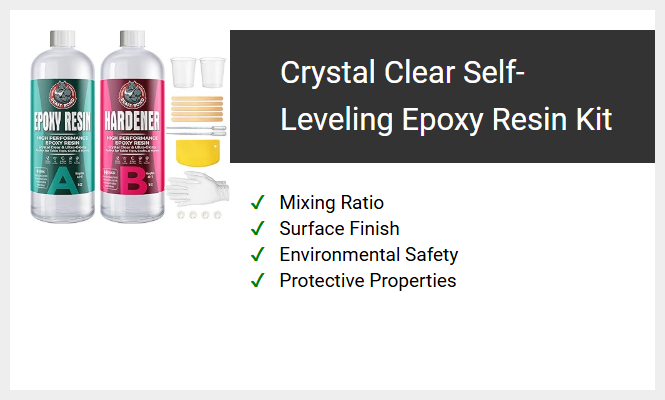
Let's be honest: your particle board furniture is one coffee spill away from becoming a soggy, swollen nightmare. You want that custom designer look, but "expensive" isn't in the budget this month. This ultra-glossy wood epoxy is the ultimate fix. You just pour the self-leveling resin across your surface, and it automatically flows into those cheap, porous textures to create a mirror-like finish. Because it's moisture-resistant, your furniture finally stops soaking up humidity and warping like a sponge. No more peeling edges. No more dull spots. Just a professional, rock-hard barrier that turns basic sawdust into a high-end showpiece. Apply. Level. Shine.
CoatCast Crystal Clear Epoxy Resin Kit
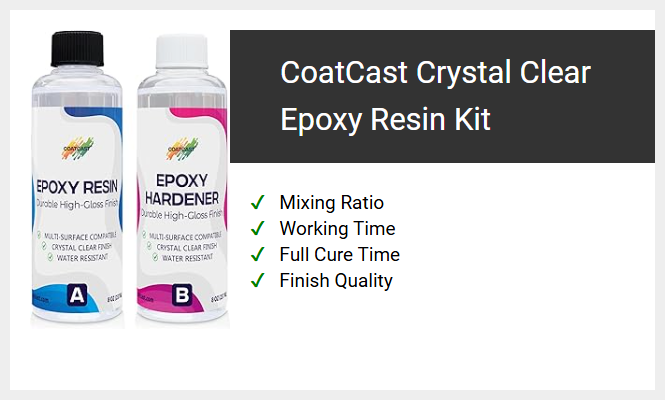
Don't let your particle board projects look cheap or succumb to moisture damage any longer; CoatCast Epoxy Resin is the game-changer you've been looking for to turn basic furniture into high-end masterpieces. This self-leveling formula takes the guesswork out of the application, meaning you get a perfectly smooth, glass-like finish without the frustration of uneven patches or bubbles. Since it's packed with professional-grade UV resistance and a rock-hard cure, your surfaces will stay crystal clear and scratch-free even in high-traffic areas. You'll love how easily this clear coat seals porous edges, providing a waterproof shield that makes your DIY work last for years. Grab your kit now and start creating.
Minwax Stainable Wood Filler
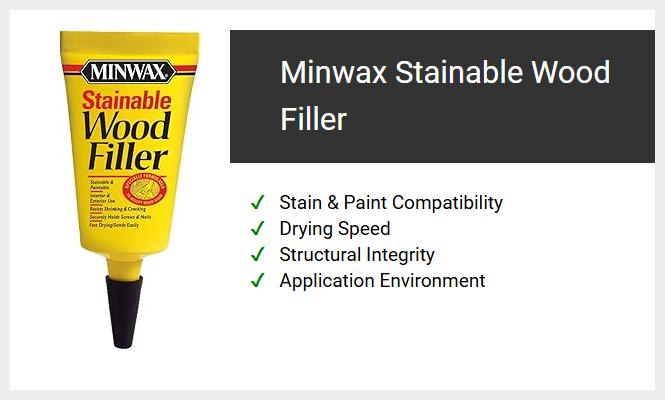
Let's be honest: particle board is great until it starts crumbling or a hinge screw rips a crater into your favorite cabinet. You're staring at the damage, wondering if it's time for the dumpster, but this professional-grade wood epoxy is your ultimate save. It penetrates deep into loose fibers to create a rock-solid bond that's actually stronger than the original board. Because the formula is shrink-resistant and fully sandable, you can reshape edges or redrill holes for a seamless, invisible repair. Fix it fast. Forget the replacement. You get a permanent, heavy-duty restoration that keeps your furniture out of the landfill and looking like new.
Selecting the Right Epoxy Resin Viscosity for Porous Particle Board Sealing
Choosing the correct viscosity is critical when sealing particle board due to its high porosity and internal voids. A low-viscosity resin acts as a penetrant, wicking deep into the wood fibers to solidify the loose structure from within. Conversely, high-viscosity resins are better suited for surface leveling or filling large gaps where runoff must be minimized.
- Low Viscosity (100â500 cps): Ideal for deep penetration and stabilizing soft cores.
- Medium Viscosity (500â1,500 cps): Best for general purpose coating and sealing.
- High Viscosity (1,500+ cps): Preferred for edge buildup and vertical applications.
Structural Reinforcement Techniques for Damaged Particle Board Using Epoxy Injection
Structural integrity in damaged particle board can be restored through pressurized or gravity-fed epoxy injection. This process replaces lost binders with high-strength polymer, effectively turning a friable substrate into a rigid composite. The technique is particularly effective for delaminated sections or areas where screws have stripped the internal wood flakes.
- Drill small injection ports into the damaged zone.
- Inject low-viscosity structural epoxy until the area is saturated.
- Clamp the section to ensure the resin sets under pressure for maximum density.
Preventing Surface Bubbling and Outgassing During Epoxy Application on Composite Wood
Outgassing occurs when air trapped in the particle board expands due to the exothermic heat of the curing epoxy. This air rises through the resin, creating unsightly bubbles. To prevent this, applicators should follow a specific sealing protocol to lock the surface before the final flood coat.
| Method | Description |
|---|---|
| Seal Coat | Applying a thin, brushed-on layer to plug pores. |
| Temperature Drop | Applying epoxy while the ambient temperature is falling. |
| Torch Leveling | Using a heat gun or torch briefly to pop surface bubbles. |
Mechanical Bonding vs Chemical Bonding Strategies for Particle Board Substrates
Successful adhesion on particle board relies on both mechanical interlocking and chemical affinity. Because particle board lacks the long fibers of natural wood, the epoxy must "anchor" into the cross-sections of the wood chips. Mechanical bonding is achieved by scuffing the surface to increase surface area, while chemical bonding occurs as the resin molecules interact with the wood's cellulose and lignin.
- Mechanical: Achieved through 80-grit sanding.
- Chemical: Enhanced by ensuring the substrate is dry and free of oils.
Repairing Moisture Swollen Particle Board Edges with Water Resistant Epoxy Fillers
Moisture causes particle board edges to swell and lose structural cohesion. Repairs involve removing the compromised, "blown" fibers and replacing them with a water-resistant epoxy putty or thickened resin. This not only restores the dimensions of the panel but also provides a permanent moisture barrier to prevent future swelling.
The repair process generally requires sanding the swollen area back to a flat profile before applying a thickened epoxy filler. Once cured, the edge becomes significantly more durable than the original factory material.
Calculating Resin Absorption Rates to Avoid Starved Joints in Particle Board Assembly
Particle board is highly absorbent, often sucking resin away from the bond line and leaving a "starved joint" that is prone to failure. To prevent this, the absorption rate must be calculated and compensated for during the assembly phase. This is usually managed by "double-buttering" the joint.
- Apply a prime coat to both surfaces and wait 5â10 minutes.
- Observe the "soak-in" rate to identify high-porosity zones.
- Apply a second, thickened layer of epoxy before the prime coat fully cures.
Tensile Strength Considerations for Epoxy Anchors in Low Density Composite Panels
Standard fasteners often fail in low-density particle board because the substrate lacks the shear strength to hold threads. Epoxy anchors distribute the load over a larger internal surface area, significantly increasing pull-out resistance. The tensile strength of the repair is determined by the depth of the epoxy plug and the density of the surrounding composite.
Using a "flared hole" technique-where the base of the hole is wider than the entry-creates a mechanical wedge that further enhances the anchor's load-bearing capacity.
Managing Thermal Expansion Mismatch Between Rigid Epoxy and Particle Board Cores
Particle board and epoxy resins expand and contract at different rates when exposed to temperature fluctuations. Rigid epoxies may crack or delaminate if they cannot accommodate the movement of the wood substrate. To mitigate this risk, toughened epoxies with slight flexibility are preferred for large-scale applications.
- Coefficient of Thermal Expansion (CTE): Epoxy typically has a higher CTE than wood.
- Solution: Use epoxy systems formulated with higher elongation properties to absorb stress.
Curing Temperature Requirements for Optimal Cross Linking on Industrial Wood Composites
The chemical reaction in epoxy, known as cross-linking, is highly dependent on ambient and substrate temperatures. If the temperature is too low, the resin may remain tacky or fail to reach full structural strength. Industrial applications often utilize heat lamps or controlled environments to ensure the epoxy reaches its peak glass transition temperature (Tg).
For most standard epoxies, a minimum temperature of 65°F (18°C) is required, though specialized fast-cure hardeners can operate in cooler conditions at the cost of working time.
Surface Preparation Protocols to Remove Factory Coatings for Maximum Epoxy Adhesion
Many particle board panels come with factory-applied waxes, melamines, or sealers that inhibit epoxy bonding. Proper surface preparation is mandatory to expose the raw wood fibers. Without removing these contaminants, the epoxy will only bond to the coating, leading to premature delamination under stress.
- Degrease the surface to remove waxes or oils.
- Mechanically abrade using 60â80 grit sandpaper.
- Vacuum and use tack cloths to ensure a dust-free environment.
Note: Sometimes the .PDF file interface can be slightly different from the image preview. Our apology for this inconvenience.


Comments