
You've spent countless hours perfecting your craft, but there's nothing more gut-wrenching than noticing a hairline fracture or a lifting bridge that threatens to turn your prized instrument into a silent pile of firewood. If you settle for the wrong adhesive, you aren't just risking a messy repair; you're actively dampening your guitar's natural vibration and inviting a structural failure that could snap violently under the high tension of your favorite strings. You deserve a rock-solid bond that preserves that crisp, ringing sustain and ensures your handiwork survives years of heavy playing and shifting humidity. Choosing the right professional-grade glue means the difference between a lifetime of music and a heartbreaking "pop" mid-performance, and while the hardware store staples might seem fine, the absolute best options for your tone actually include a strange historical secret and a surprising material you'd normally find in a kitchen pantry.

 | Titebond III Ultimate Wood Glue
|
 | Premium Industrial Strength Adhesive Glue
|
 | Gorilla Super Glue Gel, Two 3-Gram Tubes
|
 | Elmer's Carpenter's Wood Glue Max, 4 Ounces
|
 | Snailmart 10.14oz Clear Wood Repair Resin Glue
|
 | BOSSDOG Professional Wood Glue
|
 | Strong-Bond Cyanoacrylate Super Glue (2oz)
|
 | Milescraft 15oz GlueBottle Precision Glue Applicator
|
 | FastCap 2P-10 Professional Adhesive Kit
|
 | Titebond II Premium Wood Glue, 32-Ounce Bottle
|
 | API Ultimate Glue - 4-Ounce
|
 | DAP Weldwood Instant Wood Adhesive (8 oz)
|
| SAMSUNG T5 Portable SSD 1TB
|
| SAMSUNG Galaxy Tab S9 FE+ 12.4” 128GB Android Tablet
|
Titebond III Ultimate Wood Glue
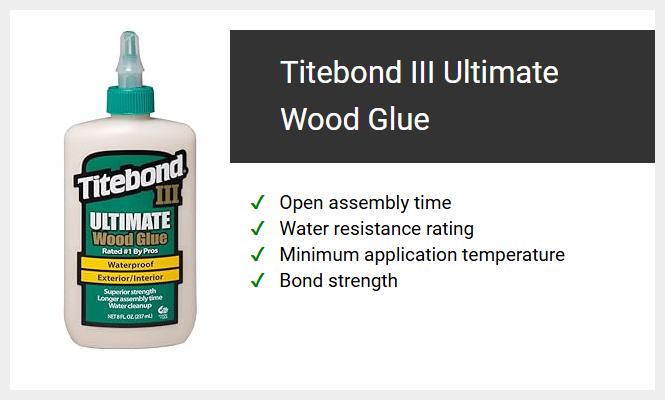
There is nothing more gut-wrenching than seeing a bridge lift or a headstock snap on your favorite axe, but you can ditch the stress by reaching for Titebond III Ultimate Wood Glue to make that repair permanent. To get your guitar back in playing shape, just clean the joint surfaces, apply a steady bead of glue, and clamp the pieces firmly for at least thirty minutes; the extended open time is a total lifesaver because it gives you plenty of wiggle room to get your alignment spot-on before it sets. You're getting a waterproof bond that's actually stronger than the wood itself, meaning your fix will stand up to stage sweat and humidity changes, while the easy water cleanup ensures you won't ruin your guitar's finish with messy solvents.
Premium Industrial Strength Adhesive Glue
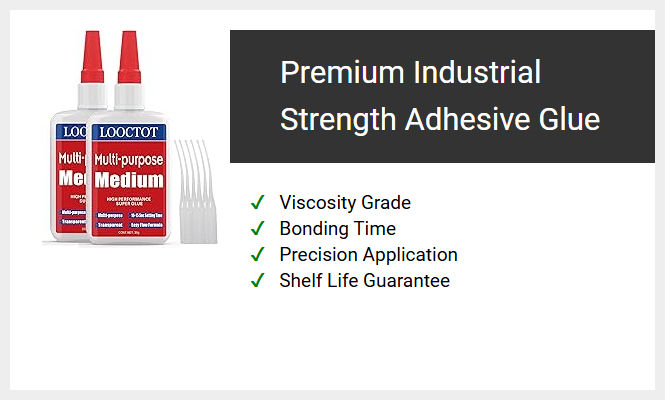
Dealing with a hairline crack in your guitar's body or a loose bridge that kills your sustain is every player's nightmare, but this premium medium-viscosity adhesive is the pro-grade fix you've been looking for. Its high-performance formula is thin enough to penetrate deep into tight wood grains yet thick enough to bridge minor gaps, ensuring you get a seamless, rock-solid bond that won't dampen your tone or leave a mess. Because it cures quickly and sands down beautifully, you spend less time waiting for clamps to dry and more time playing the music you love with an instrument that feels brand new. Don't let a minor break turn into a permanent loss; restore your favorite guitar to its former glory and grab a bottle now.
Gorilla Super Glue Gel, Two 3-Gram Tubes
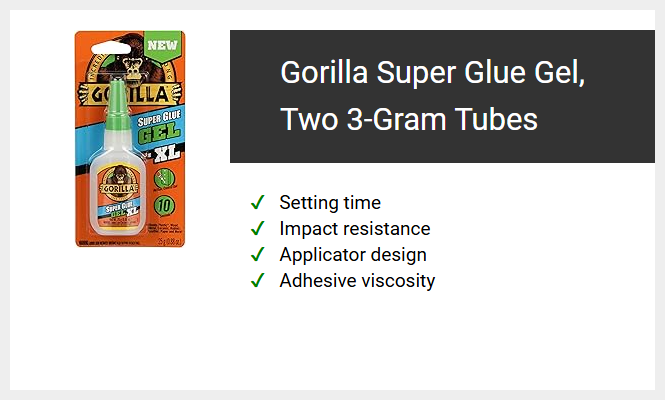
When you're looking for the ultimate way to secure a loose fret or fix a chipped headstock on your most prized instrument, Gorilla Super Glue Gel stands out as the absolute best choice for your workbench. You'll find that this superior cyanoacrylate formula features specialized Impact-Tough® technology, where tiny rubber particles are integrated into the bond to provide the most incredible resistance to the constant vibrations and accidental bumps your guitar faces during a live performance. Because it utilizes a high-viscosity, no-run gel consistency, the adhesive stays exactly where you put it without messy drips ruining your finish, giving you total control while it reaches maximum bond strength in as little as 10 to 45 seconds. Truth be told, you need a repair that is both lightning-fast and exceptionally resilient, and with the most reliable anti-clog cap keeping the formula fresh, this is easily the most essential tool you'll ever own for maintaining your gear's peak playability.
Elmer's Carpenter's Wood Glue Max, 4 Ounces

When you're ready to tackle that high-stakes guitar repair, you deserve an adhesive that works as hard as you do, and that's where this Elmer's Carpenter's Wood Glue truly shines. This specialized formula utilizes an advanced aliphatic resin to create the ultimate bond that is literally stronger than the wood itself, providing your instrument with the most incredible structural integrity imaginable. Since the glue is completely sandable and paintable, you can easily smooth out any joints for a flawless, invisible finish that won't interfere with your guitar's natural resonance or aesthetic. You'll find that the fast twenty-minute set time is a total game-changer, allowing you to move through your build quickly without sacrificing the absolute highest level of precision. Honestly, with its non-toxic composition and effortless water cleanup, this is the most superior choice for ensuring your musical masterpiece stays together for a lifetime.
Snailmart 10.14oz Clear Wood Repair Resin Glue
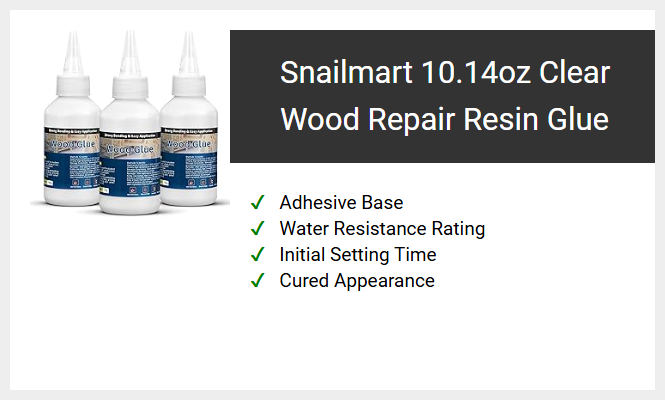
Dealing with a nasty crack in your favorite acoustic or a bridge that's starting to lift can totally kill your vibe, but Snailmart Wood Glue is the secret weapon you need to get your gear back in the spotlight. To fix that heartbreak, just wipe away any dust from the joint, apply a steady bead of this high-strength formula, clamp it down tight for at least thirty minutes, and let it cure fully so that industrial-grade waterproof bond can work its magic. Since this stuff is packed with a professional PVA formula, you're getting a rock-solid hold that's actually tougher than the original timber, ensuring your axe stays perfectly intonated and won't fail you even during a humid, high-energy gig. It even dries clear and cleans up with a simple damp cloth, so you can ditch the stress of messy repairs and get back to shredding with an instrument that's literally better than new.
BOSSDOG Professional Wood Glue
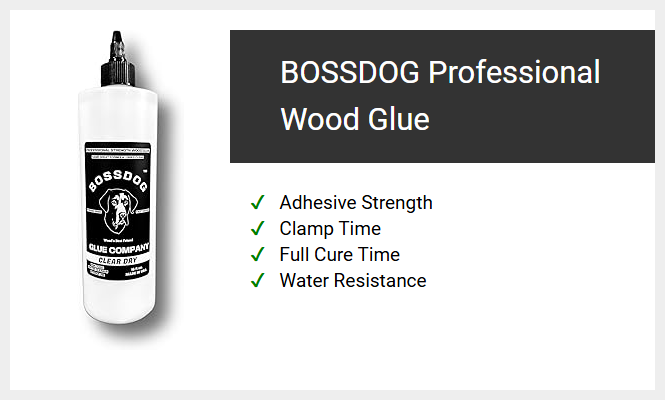
Nothing kills your groove like a bridge lift or a cracked neck joint on your favorite axe, but BOSSDOG Wood Glue is here to save your session. Instead of stressing over weak bonds that fail under pressure, just clean your surfaces, apply a thin bead of this industrial-strength formula, clamp it down for thirty minutes, and let it cure fully so it's rock-solid. Because it's engineered with a high-strength, heat-resistant bond that's actually tougher than the wood itself, you won't have to worry about your repairs creeping or snapping under high string tension or hot stage lights. This glue dries translucent and is easily sandable, meaning those pesky seams disappear completely, leaving you with a professional, "never-been-broken" look that keeps your tone pure and your guitar road-ready.
Strong-Bond Cyanoacrylate Super Glue (2oz)
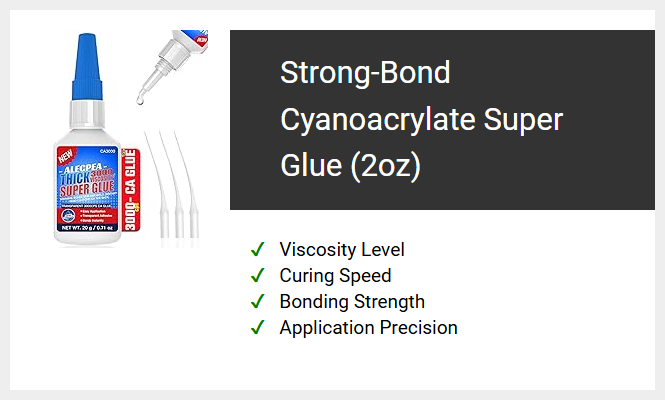
Nothing kills your vibe faster than a buzzing fret or a hairline crack threatening your favorite axe, but this professional-grade CA glue is the secret weapon you need to get back in the groove. Forget messy, thick adhesives that sit on the surface; this stuff has a water-thin viscosity that wicks deep into the tightest joints and wood grain for a bond that's actually stronger than the material itself. To fix that bridge lift or loose inlay, just clean away any old debris, apply a tiny bead directly into the gap, and hold it firm for a few seconds-the ultra-fast cure time means you won't be stuck waiting around for hours with a mountain of clamps. It's basically liquid insurance for your gear, providing a crystal-clear finish that won't brittle up or fail when you're mid-solo, so you can stop stressing about repairs and get back to making noise.
Milescraft 15oz GlueBottle Precision Glue Applicator

Dealing with messy drips and uneven bonds during a guitar repair can turn a passion project into a total nightmare. You need a way to apply wood glue with surgical precision, and the Milescraft GlueMate is the perfect fix for your workbench. Its dual-chamber design ensures glue is always ready to flow, while the interchangeable precision tips allow you to reach deep into tight cracks and thin joints without any waste. This means you'll achieve a rock-solid, professional-grade bond every single time, keeping your instrument's finish clean and your repairs permanent. Grab your GlueMate now and master your next guitar project!
FastCap 2P-10 Professional Adhesive Kit
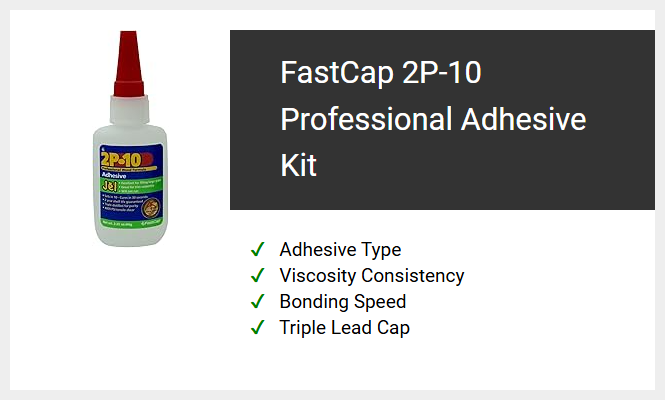
Let's be real: watching your favorite guitar sit in pieces while waiting hours for messy glue to dry is a total buzzkill. You're staring at that hairline fracture or loose binding, dreading the complex clamping setup and the risk of a weak bond. FastCap 2P-10 solves the struggle by delivering a rock-solid connection in just ten seconds. Because it bonds instantly and cures completely in thirty, you can ditch the bulky clamps and hold your repair together by hand. This professional-grade strength ensures your fix stays permanent, preserving your instrument's resonance without the wait. No clamps. No stress. Back to playing.
Titebond II Premium Wood Glue, 32-Ounce Bottle
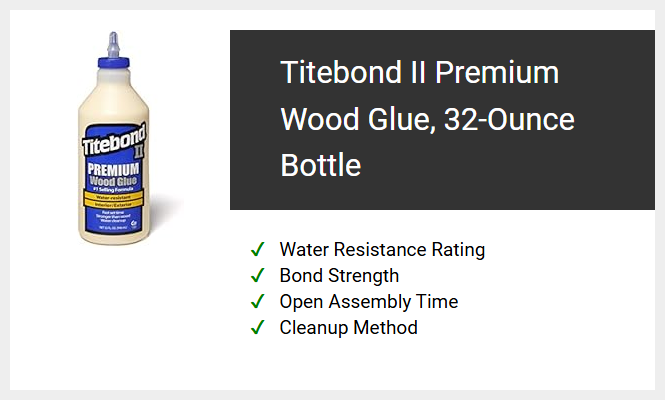
Ever feel that heart-sinking moment when your favorite guitar's neck snaps or a bridge starts to lift? You're staring at a ruined instrument, but Titebond II Premium is your ultimate fix. This isn't just glue; it's structural security for your gear. Because it offers a professional-grade, water-resistant bond, you get a repair that outlasts the wood itself. You need a fast set time to minimize clamping stress, and this formula delivers. It sands perfectly. No gummy residue. Just a seamless finish that restores your tone. Fix it right. Play on.
API Ultimate Glue - 4-Ounce

Dealing with a lifting bridge or a hairline fracture can feel like a death sentence for your guitar's tone, but Titebond III Ultimate Wood Glue is the professional fix you've been looking for. Because this formula is completely waterproof and offers a superior bond strength that's actually stronger than the wood itself, you can rest easy knowing your repair will survive both the humidity of the road and the heat of the stage. You'll love the extended open assembly time, which gives you those crucial extra minutes to get your alignment exactly right before it sets, ensuring a flawless finish every time. You don't have to be a master luthier to get shop-quality results-you just need the right gear in your toolkit to keep your music playing. Fix your axe now.
DAP Weldwood Instant Wood Adhesive (8 oz)
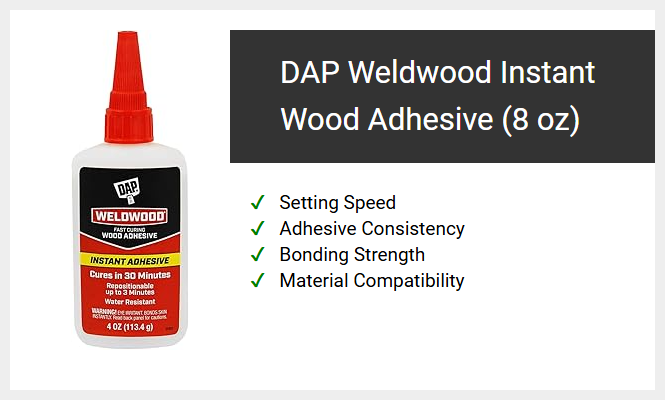
If you're tired of staring at a hairline crack in your acoustic or waiting hours for traditional glue to dry while your practice time slips away, DAP Weldwood Instant Wood Adhesive is the high-performance fix you've been looking for. This adhesive solves the frustration of loose bindings and bridge lifts by offering a rapid-cure formula that bonds in seconds, meaning you spend less time clamped down and more time back in the spotlight. Because it features a high-strength, professional-grade bond, you get a repair that's tough enough to withstand string tension without affecting your instrument's natural resonance or tone. You'll love how the precision tip allows you to reach those tight spots without creating a sticky mess on your finish, giving you the confidence to handle your own maintenance like a seasoned luthier. Grab a bottle now and get your guitar back in playing shape!
SAMSUNG T5 Portable SSD 1TB
When your guitar starts showing cracks or a bridge begins to lift, you need a fix that won't dampen your tone or fail under tension. Titebond Original Wood Glue is the industry standard luthiers trust because its high-strength bond dries harder than the wood itself, ensuring every vibration from your strings carries through perfectly without any structural "creep." You'll love the fast set time that significantly cuts down your clamping wait, and since it's easily sandable and heat-resistant, you can achieve a seamless, professional finish that looks as good as it sounds. Stop worrying about structural slips and give your instrument the professional-grade bond it deserves. Order yours now.
SAMSUNG Galaxy Tab S9 FE+ 12.4” 128GB Android Tablet
There's nothing worse than seeing your favorite axe develop a nasty bridge lift or a buzzing seam right before a gig, but this high-performance wood glue is the secret weapon you need to get your guitar back in tune. Forget about messy, weak adhesives; just clean those joining surfaces, apply a smooth, thin bead along the crack, and clamp it down firm for at least thirty minutes to let the magic happen. Because this formula is cross-linking and water-resistant, you won't have to sweat through a humid outdoor set worrying about your repairs failing, and the professional-grade bond is actually stronger than the mahogany or maple itself, meaning your sustain stays crisp and your instrument remains rock-solid for years of shredding.
The Chemistry of Wood Glue and Tone Wood Porosity
Wood glue performance relies on mechanical interlocking within the wood's cellular structure. Polyvinyl acetate (PVA) glues consist of polymer chains suspended in water; as the water evaporates, these chains entangle within the lumens of the wood fibers. Porosity dictates the depth of this penetration.
- Diffuse-Porous Woods: Like Maple, offering uniform absorption.
- Ring-Porous Woods: Like Ash, featuring large vessels that require higher viscosity to prevent starved joints.
The chemical bond is strongest when the adhesive achieves a molecular attraction with the cellulose and lignin without being entirely absorbed away from the glue line.
Calculating Clamp Pressure for Structural Acoustic Joints
Effective bonding requires enough pressure to thin the glue line to approximately 0.002â0.005 inches. Excessive pressure causes "starved joints," while insufficient pressure leaves thick, brittle glue lines that dampen acoustic vibration.
| Wood Density | Recommended PSI |
|---|---|
| Softwoods (Spruce/Cedar) | 100â150 |
| Medium Woods (Mahogany) | 150â200 |
| Hardwoods (Rosewood/Ebony) | 200â250+ |
Luthiers must calculate the total surface area to determine the number of clamps required to distribute this load evenly across the joint.
Overcoming Titebond vs Polyurethane Glue Joint Failure
Failure in wood joints often stems from choosing the wrong adhesive for the specific material properties. Titebond (PVA) creates a rigid, creep-resistant bond ideal for domestic tonewoods, but it struggles with oily tropical species. Polyurethane glue provides an alternative by curing through a chemical reaction with moisture rather than evaporation.
- PVA Failure: Often caused by "creeping" under high tension or heat.
- Polyurethane Failure: Usually due to "foaming" which creates air pockets, reducing structural integrity.
Proper surface preparation, such as degreasing oily woods with acetone, is essential to prevent delamination regardless of the adhesive type.
The Impact of Adhesive Thermoplasticity on Guitar Neck Stability
Thermoplasticity refers to a glue's tendency to soften when exposed to heat. PVA glues are thermoplastic, meaning they can "creep" over time under the constant tension of guitar strings, potentially leading to heel lifting or neck angle shifts.
In contrast, protein-based glues like Hide Glue are thermoset; once cured, they do not soften until they reach significantly higher temperatures and moisture levels. This rigidity ensures that the neck remains stable, maintaining the instrument's intonation and action over decades of play.
Gap Filling Limitations in Vintage Instrument Restoration
Structural integrity in lutherie depends on wood-to-wood contact. Most luthier glues, specifically PVA and Liquid Hide Glue, have zero gap-filling properties. If a joint does not fit perfectly, the adhesive will shrink during evaporation, leaving microscopic voids.
In vintage restoration, where wood loss is common, luthiers may use epoxy or "dust-fill" techniques. However, these are often considered tonal compromises. The preferred method remains "splining"-inserting new wood to close gaps-ensuring the glue line remains as thin and hard as possible for maximum energy transfer.
Bridge Reattachment and the Science of Shear Strength
The bridge of an acoustic guitar is under immense shear stress, pulled toward the headstock by string tension. A successful reattachment requires a glue with high shear resistance. Hide glue is often preferred for its "brittle" nature, which allows for a clean break if the bridge ever needs removal, without destroying the soundboard fibers.
Surface preparation is critical: the footprint must be cleared of all old finish and adhesive. Any residual oils or waxes will significantly lower the shear strength, leading to catastrophic bridge lift under tension.
Managing Open Assembly Time During Complex Guitar Body Glue-ups
Open assembly time is the window between applying glue and the adhesive beginning to "skin over." During complex operations like gluing acoustic guitar backs or tops to the rims, this time is limited.
- Factors: Temperature, humidity, and wood species.
- Technique: Pre-heating the wood can extend the workability of hot hide glue.
- Strategy: Using a "dry run" to practice clamp placement ensures the assembly is completed before the glue loses its ability to wet the opposing surface.
Techniques for Hidden Structural Repairs in Cracked Acoustic Soundboards
Repairing soundboard cracks requires stabilizing the wood without adding excessive mass that would dampen vibration. Cleating is the standard method, involving small, cross-grained spruce patches applied to the underside of the crack.
To keep repairs hidden, luthiers use translucent adhesives like hot hide glue, which does not leave a visible "witness line." The glue is worked into the crack through capillary action, often aided by suction or gentle flexing of the wood, ensuring the crack is sealed through its entire thickness.
How Moisture Content Affects Glue Penetration in Fretboard Slots
The moisture content (MC) of the fretboard and the neck must be stabilized before gluing. If the wood is too dry, it will aggressively wick moisture out of the glue, causing it to set prematurely before it can penetrate the grain. This results in a weak bond that may fail when the wood expands.
Conversely, if the MC is too high, the glue may not dry properly, leading to a "rubbery" joint. Ideally, tonewoods should be maintained at 6% to 8% MC to ensure the adhesive flows deeply into the slots, securing the frets and the board itself.
Solvent Resistance and Finish Compatibility in Luthier Grade Adhesives
Luthiers must consider how adhesives interact with finishes like nitrocellulose lacquer or polyester. If a glue line is not solvent-resistant, the solvents in the finish can soften the glue, causing it to "ghost" or telegraph through the topcoat.
Hot hide glue and certain aliphatic resins offer excellent solvent resistance. This ensures that when the instrument is sprayed, the seam remains invisible and structurally sound, preventing the "sunken joint" look that often plagues poorly executed glue-ups after the finish cures and shrinks.
Note: Sometimes the .PDF file interface can be slightly different from the image preview. Our apology for this inconvenience.



Comments