
You've spent weeks planning your dream organic vegetable garden, but now you're staring at those raw wooden planks wondering if they'll rot away or leach toxic chemicals into your soil. It's a frustrating dilemma: you want your garden beds to look professionally finished, yet the thought of synthetic solvents soaking into your food is enough to make you stop. Fortunately, you can protect your harvest with non-toxic sealants that preserve your wood while keeping your garden chemical-free. Beyond the standard oils, there are some surprisingly innovative, food-grade options that might just change the way you look at garden maintenance forever.
 | Eco-Friendly Plant-Based Tree Trunk Protectors
|
 | Vermont Natural Coatings PolyWhey Exterior Penetrating Wood Stain
|
 | Sealant Contact Plant-Based Wood and Planter Sealer
|
 | Tall Earth Eco-Safe Wood Treatment
|
 | Valhalla Wood Preservative - 1 Gallon Eco-Friendly Wood Treatment
|
 | Armor All Total Protection Plant-Safe Sealer
|
 | Cabot Australian Timber Oil Wood Stain
|
 | Seal-Green Xtreme Bamboo Floor Protection Case of 4 Gallons
|
 | Rubio Monocoat Exterior Hybrid Wood Protector
|
 | Old Masters Interior Sanding Sealer
|
 | Rust-Oleum Varathane Interior Polyurethane Finish
|
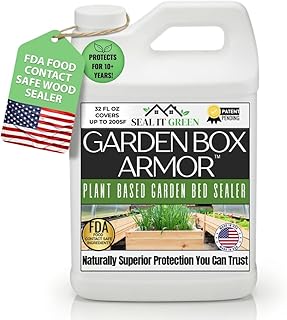
Eco-Friendly Plant-Based Tree Trunk Protectors

When you are ready to upgrade your outdoor oasis, you need the absolute best protection for your raised beds that won't compromise your family's health. This revolutionary, plant-based wood stain features a zero-VOC formula composed of premium natural oils, which means you get the most superior water-repellent finish without any toxic chemicals leaching into your precious organic soil. Since it utilizes high-quality linseed and tung oils to penetrate deep into the timber, you will enjoy the ultimate durability against rot and UV damage while keeping your vegetables completely safe for consumption. It is honestly the most effective way to preserve your planters, giving you the total peace of mind that your garden remains the purest environment possible for your healthiest home-grown harvest.
Vermont Natural Coatings PolyWhey Exterior Penetrating Wood Stain

You're likely tired of watching your beautiful raised beds weather and rot, yet the thought of slathering toxic, petroleum-based chemicals right next to your organic heirloom tomatoes is a total dealbreaker. Vermont Natural Coatings PolyWhey Exterior Penetrating Stain is the specific fix for this gardener's dilemma, utilizing recycled whey protein to create a professional-grade barrier that's completely safe for your soil and your snacks. To get that perfect, long-lasting look, just give your wood a light sanding, stir the can thoroughly, and apply a thin, even coat with a brush or sprayer, allowing the formula to soak deep into the grain. Because this stain is low-VOC and cleans up easily with just soap and water, you get a durable, weather-resistant finish that protects your hard work without any nasty odors or leaching, letting you get back to the fun part of gardening with total peace of mind.
Sealant Contact Plant-Based Wood and Planter Sealer
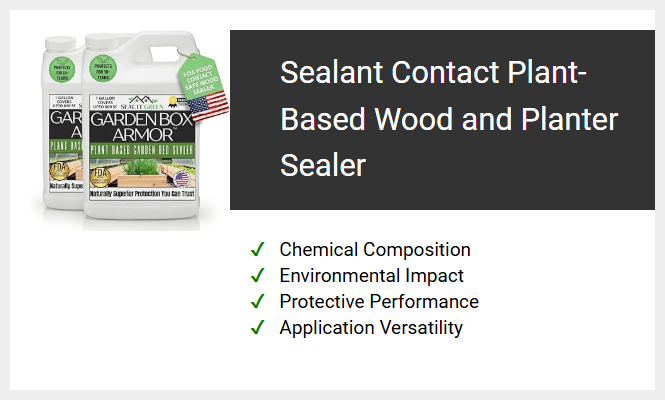
You love your raised garden beds, but watching the wood rot or worrying about toxic chemicals leaching into your homegrown kale is a total buzzkill, which is why our plant-based wood sealant is the game-changer you've been looking for. By applying this 100% non-toxic, eco-friendly formula, you create a powerful moisture barrier that stops decay in its tracks without contaminating your soil, ensuring your planter boxes last for years while your vegetables stay completely safe for your family to eat. You've worked way too hard on your garden to let harsh industrial stains ruin your harvest, so give your wood the ultimate protection it deserves and enjoy total peace of mind throughout the growing season. Grab your bottle now!
Tall Earth Eco-Safe Wood Treatment

You're likely tired of watching your expensive raised beds rot away or worrying about nasty chemicals leaching into your organic heirloom tomatoes, but Tall Earth EcoSafe Wood Treatment is the ultimate "set it and forget it" fix for your backyard oasis. This non-toxic powerhouse eliminates the frustration of constant maintenance by offering a permanent, one-time application that never peels or flakes, ensuring your soil stays pure and your veggies stay healthy. To get it done, just mix the concentrated powder into five gallons of water, grab a brush or sprayer, and give your raw wood a thorough soak-it's that simple. Because this formula is 100% VOC-free and safe for kids and pets, you get the technical benefit of deep-fiber penetration that creates a beautiful, weathered silvery patina while enjoying the practical luxury of never having to sand or restain your garden beds ever again.
Valhalla Wood Preservative - 1 Gallon Eco-Friendly Wood Treatment
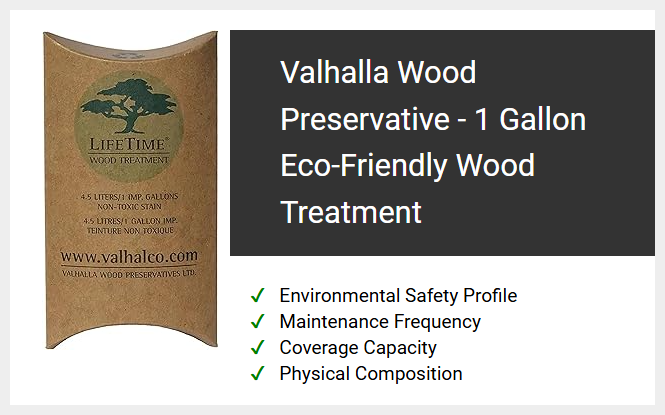
Tired of watching your beautiful raised garden beds rot away or worrying about nasty chemicals leaching into your organic soil? Valhalla Wood Preservative is the one-and-done solution you've been looking for to keep your garden safe and sturdy. This eco-friendly, non-toxic formula penetrates deep into the wood fibers to stop decay without harming your veggies, and since it never peels or flakes, you'll never have to scrape or re-stain again. You get a gorgeous, weathered silver patina that looks better with age while your plants stay healthy and chemical-free. Stop wasting your weekends on maintenance and start growing with confidence today. Grab your gallon now!
Armor All Total Protection Plant-Safe Sealer
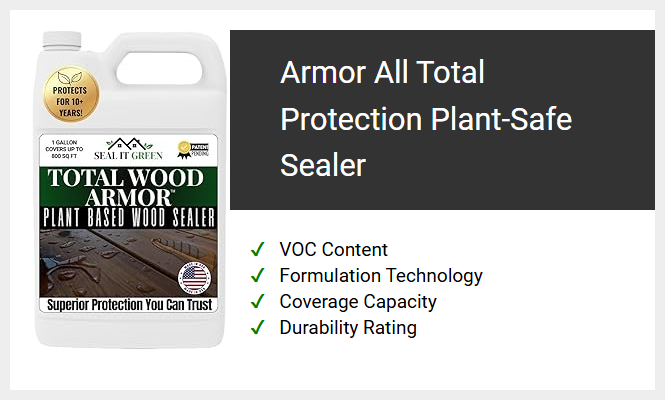
Watching your expensive raised beds rot away after just one season is a total buzzkill, but you definitely don't want nasty chemicals leaching into your organic tomatoes. This eco-friendly wood stain solves that headache by providing a non-toxic, plant-safe seal that shields your wood from moisture and decay without poisoning your soil. Because it's specially formulated to be VOC-free and safe for food-producing gardens, you can enjoy a beautiful, weather-resistant finish while knowing your harvest stays pure and healthy for your family. You'll save yourself the backbreaking work of replacing rotted boards every few years and finally get the long-lasting, vibrant garden you've been dreaming of. Pick up a can now and give your garden the protection it deserves!
Cabot Australian Timber Oil Wood Stain

Let's face it, watching your hand-built garden beds turn grey and rot after just one season is a total buzzkill. You've put in the sweat equity, so why let moisture and scorching UV rays ruin your harvest? Cabot Australian Timber Oil is the professional fix your backyard needs. By blending deep-penetrating linseed oil with water-repellent tung oil, this stain dives into the grain to stop warping and decay before they start. You get a rich, high-end finish that stays vibrant, while the long-oil alkyds provide a durable shield against the toughest weather. Protect your investment. Grow with confidence. Make it last.
Seal-Green Xtreme Bamboo Floor Protection Case of 4 Gallons
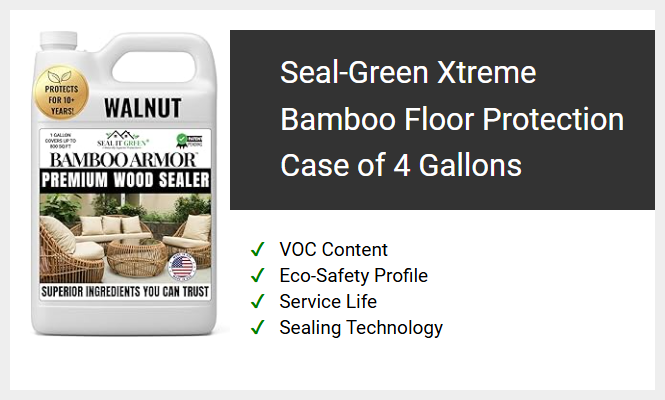
Tired of watching your hard-earned raised beds rot away while worrying that nasty, toxic chemicals are leaching into your organic kale? Seal-Green Xtreme is the ultimate eco-friendly fix that protects your garden wood without poisoning your soil. To get that professional finish, just clean your boards thoroughly, apply a consistent coat with a brush or sprayer, and let the deep-penetrating formula soak in to create a permanent shield against moisture. Because this formula is water-based and non-toxic, you won't have to deal with any peeling, flaking, or harsh fumes, ensuring your garden structure stays rock-solid and your harvest remains perfectly safe for your family to eat.
Rubio Monocoat Exterior Hybrid Wood Protector
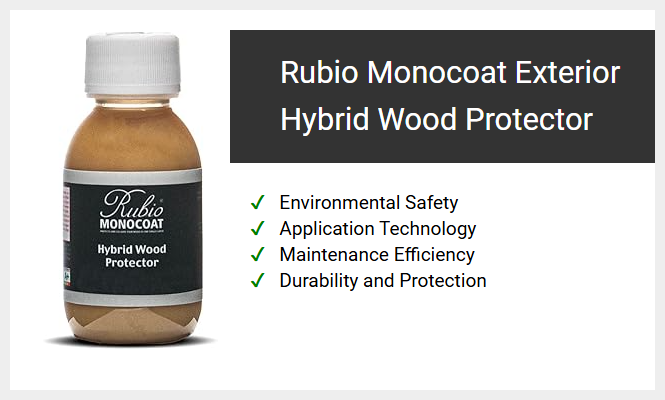
Let's be honest: you put too much work into your organic garden to let toxic chemicals leach into your soil or watch your expensive raised beds rot after just one season. Rubio Monocoat Exterior Hybrid Wood Protector is the eco-friendly fix that finally ends the trade-off between durability and safety. Its plant-based, 0% VOC formula ensures your vegetables stay clean while providing a vibrant finish that won't poison your harvest. Because it bonds molecularly in just one single layer, you skip the nightmare of peeling, sanding, and multiple coats. You get immediate UV protection and moisture resistance with half the labor. One coat. Zero toxins. Total peace of mind.
Old Masters Interior Sanding Sealer
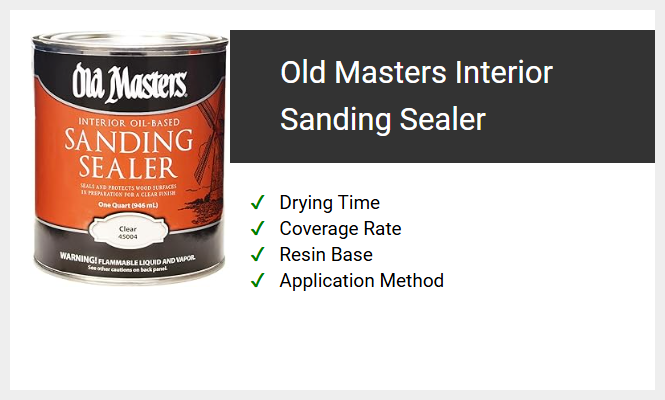
When you're building your ultimate backyard oasis, you definitely don't want to worry about toxins leaching into your soil, which is why you'll love how this revolutionary, non-toxic wood stain provides the absolute best protection for your raised beds. You see, unlike traditional finishes, this zero-VOC, plant-based formula uses a high-solids concentration of pure linseed oil to penetrate deep into the timber's cellular structure, creating a superior hydrophobic barrier that prevents rot from the inside out. Since the formula is entirely food-safe and eco-friendly, you get the incredible benefit of a long-lasting, vibrant finish without ever compromising the health of your organic crops. It's truly the most magnificent way to safeguard your garden because its advanced breathable technology prevents unsightly cracking and peeling, ensuring you enjoy the most breathtaking and productive harvest season after season.
Rust-Oleum Varathane Interior Polyurethane Finish
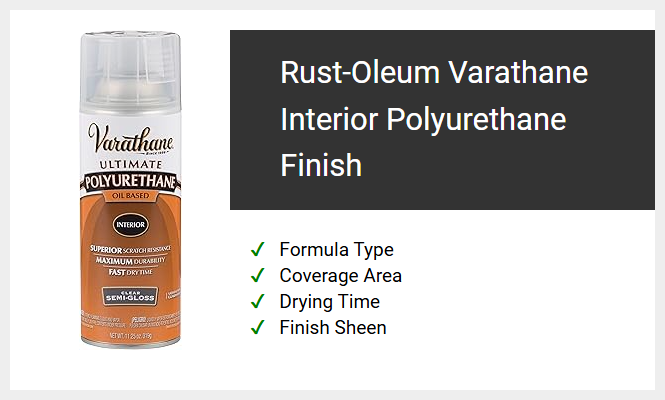
Let's be honest: watching your expensive raised beds gray and rot after just one season is a total heartbreaker. You want that rich, professional finish, but you're terrified of toxic chemicals leaching into your organic soil. This plant-safe wood stain is the ultimate fix for your backyard sanctuary. Its low-VOC, water-based formula penetrates deep to create a durable moisture barrier without contaminating your harvest, ensuring your veggies stay healthy and your woodwork stays vibrant. You simply brush it on, watch the grain pop, and enjoy a garden that stands the test of time. Safe soil. Stunning wood. Total peace of mind.
Understanding Chemical Leaching Risks in Garden Bed Stains
Chemical leaching occurs when synthetic compounds in wood stains migrate into the surrounding soil. In raised garden beds, this process is accelerated by constant moisture and microbial activity. Traditional stains often contain heavy metals, biocides, and coal tar derivatives that can be absorbed by vegetable root systems.
- Arsenic and Chromium: Historically found in pressure-treated wood, these can persist in soil for decades.
- Fungicides: Pesticidal additives designed to kill rot-fungi can inadvertently harm beneficial soil biology.
- Solvent Migration: Petroleum-based carriers can leach hydrocarbons into the rhizosphere.
Evaluating Food Safe Certifications for Raised Bed Sealants
Identifying truly non-toxic sealants requires looking beyond marketing claims. While the FDA does not "approve" wood stains, certain certifications indicate safety for incidental food contact.
| Certification | Relevance to Gardening |
|---|---|
| FDA 21 CFR 175.300 | Safe for resinous coatings in contact with food. |
| ASTM D-4236 | Confirms the product has been evaluated for chronic toxicity. |
| EN 71-3 | European standard for toy safety, limiting heavy metal migration. |
The Science of Non Toxic Hydrophobic Barriers for Edible Crops
Modern non-toxic barriers utilize hydrophobic molecules that bond within the cellular structure of the wood. Instead of a toxic film, these sealers use paraffin waxes or natural oils to repel liquid water while allowing water vapor to escape. This "breathability" prevents internal wood saturation without introducing synthetic biostimulants into the edible crop cycle.
How Microplastics in Traditional Stains Affect Soil Health
Many conventional exterior stains rely on acrylic or plastic-based polymers. As these coatings weather under UV radiation and moisture, they flake into the garden bed as microplastics. These particles do not biodegrade and can interfere with soil porosity and earthworm digestion. Long-term accumulation alters the physical structure of the soil, potentially trapping pollutants near plant roots.
Comparing Raw Linseed Oil versus Polymerized Linseed Oil for Gardens
Linseed oil is a traditional favorite, but its form dictates its utility in a vegetable garden:
- Raw Linseed Oil: Pure pressed flaxseed. It is safe but takes weeks to dry and is prone to mold growth in damp soil.
- Polymerized Linseed Oil: Heat-treated to increase viscosity and decrease drying time. It provides a harder finish without the toxic metallic driers (like lead or cobalt) found in "Boiled Linseed Oil."
For edible gardens, polymerized versions offer the best balance of durability and safety.
Solving Wood Rot in High Moisture Vegetable Environments
Vegetable beds are high-stress environments characterized by constant soil contact and irrigation. Rot is caused by Basidiomycetes fungi which thrive in wood with a moisture content above 20%. To combat this without toxic chemicals, gardeners should utilize rot-resistant species like Cedar or Black Locust, and apply deep-penetrating natural oils that displace moisture at the fiber level.
Why VOC Compliance Matters for Pollinator Friendly Garden Structures
Volatile Organic Compounds (VOCs) are gases emitted from solvent-based stains during and after application. These fumes can be detrimental to pollinators like bees and butterflies, which rely on sensitive olfactory receptors to find nectar. Low-VOC or Zero-VOC stains ensure that the garden remains a healthy habitat for beneficial insects essential for crop fertilization.
Technical Breakdown of Water Based versus Solvent Based Garden Stains
The carrier agent in a stain determines its environmental footprint and application ease:
- Water-Based: Uses water as the primary solvent. These typically have lower VOCs, dry faster, and do not leave an oily residue on foliage.
- Solvent-Based: Uses mineral spirits or naphtha. They penetrate deeply but pose higher inhalation risks and can be phytotoxic to young seedlings if the off-gassing period is insufficient.
Penetrating Sealers versus Surface Films for Organic Growing
Surface films, like polyurethane or acrylic, create a hard shell. However, once this shell cracks, water is trapped beneath it, accelerating rot. Penetrating sealers, such as tung oil or plant-based infusions, soak into the wood pores. These are preferred for organic growing because they do not peel or flake, preventing the introduction of solid debris into the organic compost layer.
Ph Neutral Wood Preservatives for Sensitive Vegetable Root Systems
Soil pH is critical for nutrient uptake. Certain wood preservatives, especially those containing high concentrations of salts or acids, can leach and alter the pH of the soil immediately adjacent to the wood. Using pH-neutral preservatives ensures that the delicate chemistry of the root zone remains stable, particularly for acid-sensitive crops like legumes or neutral-loving brassicas.
Note: Sometimes the .PDF file interface can be slightly different from the image preview. Our apology for this inconvenience.




Comments